


A Clean, Safe Start: Preparing the Rearing Barns
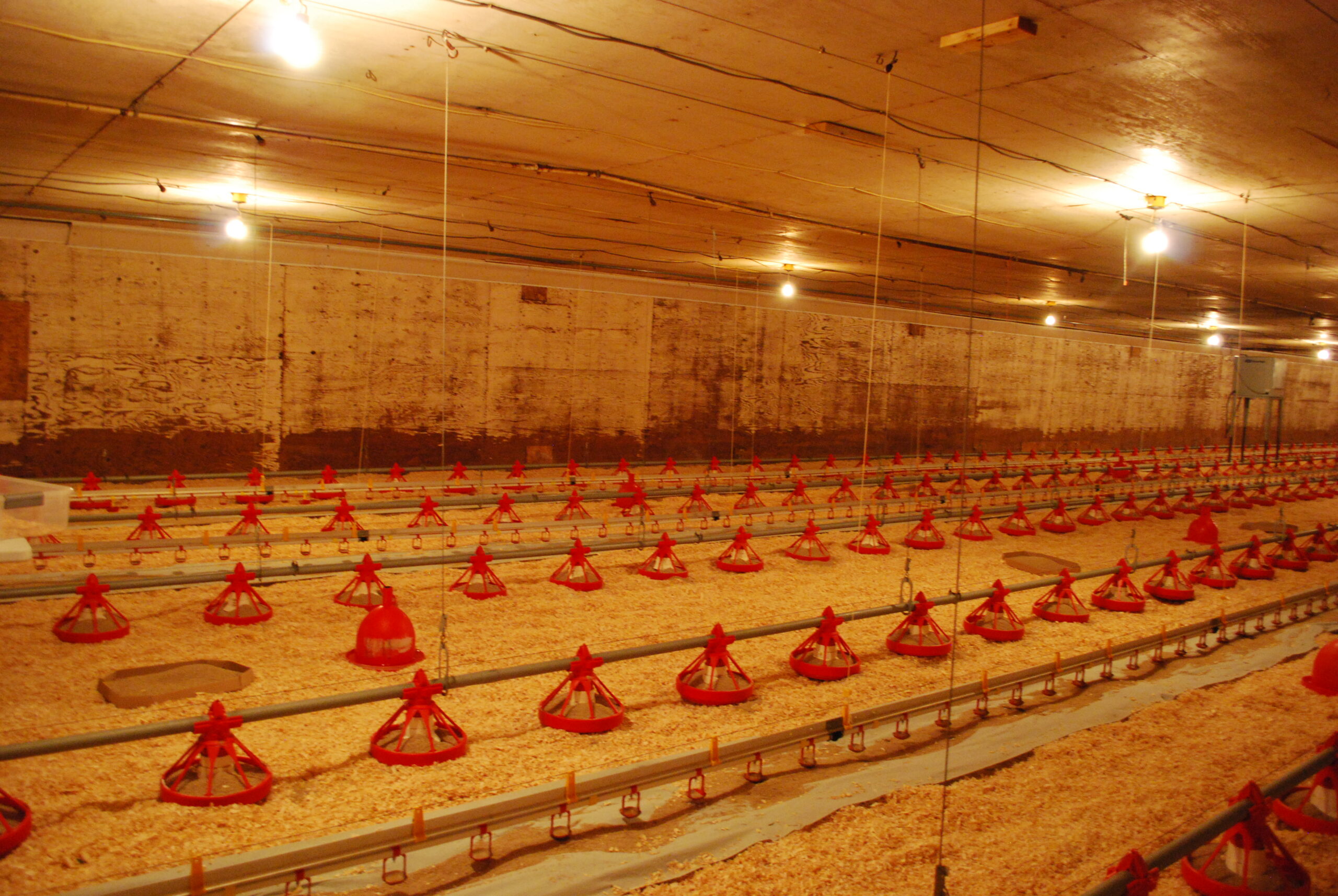
Before chicks arrive, rearing barns are thoroughly cleaned, disinfected, and prepared. Fresh bedding is placed, equipment is tested, and temperature, ventilation, and lighting are carefully controlled.
Farm families follow strict biosecurity practices to protect bird health and create a comfortable environment from day one.
Why it matters:
A clean rearing barn supports healthy growth and strong development.
Welcoming Breeder Chicks into the Rearing Barn
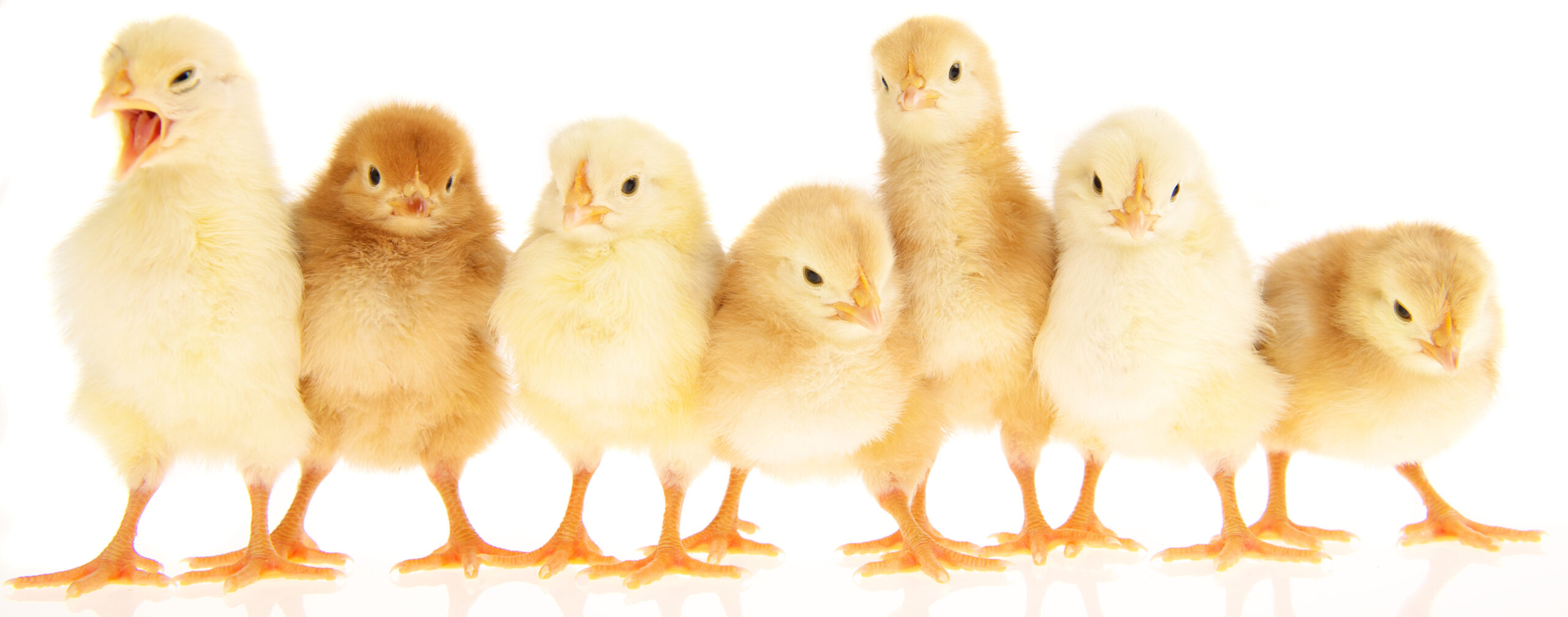
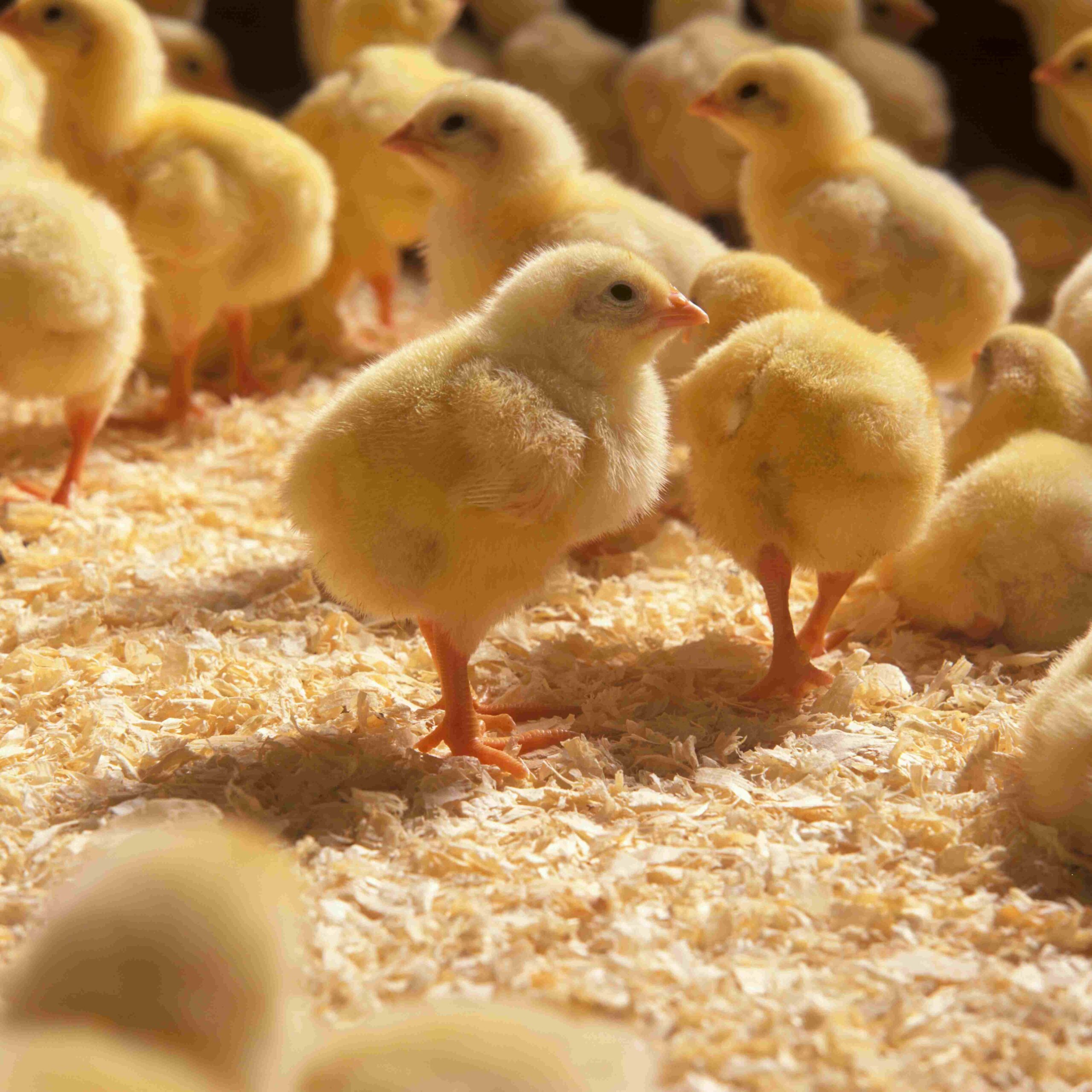
Thousands of day-old breeder chicks arrive and are gently placed into the prepared rearing barns. They immediately have access to feed, fresh water, and warmth.
During this stage, male and female birds are raised separately, allowing farmers to manage nutrition and care based on their specific needs.
Why it matters:
Early care builds healthy birds that will become productive breeders.
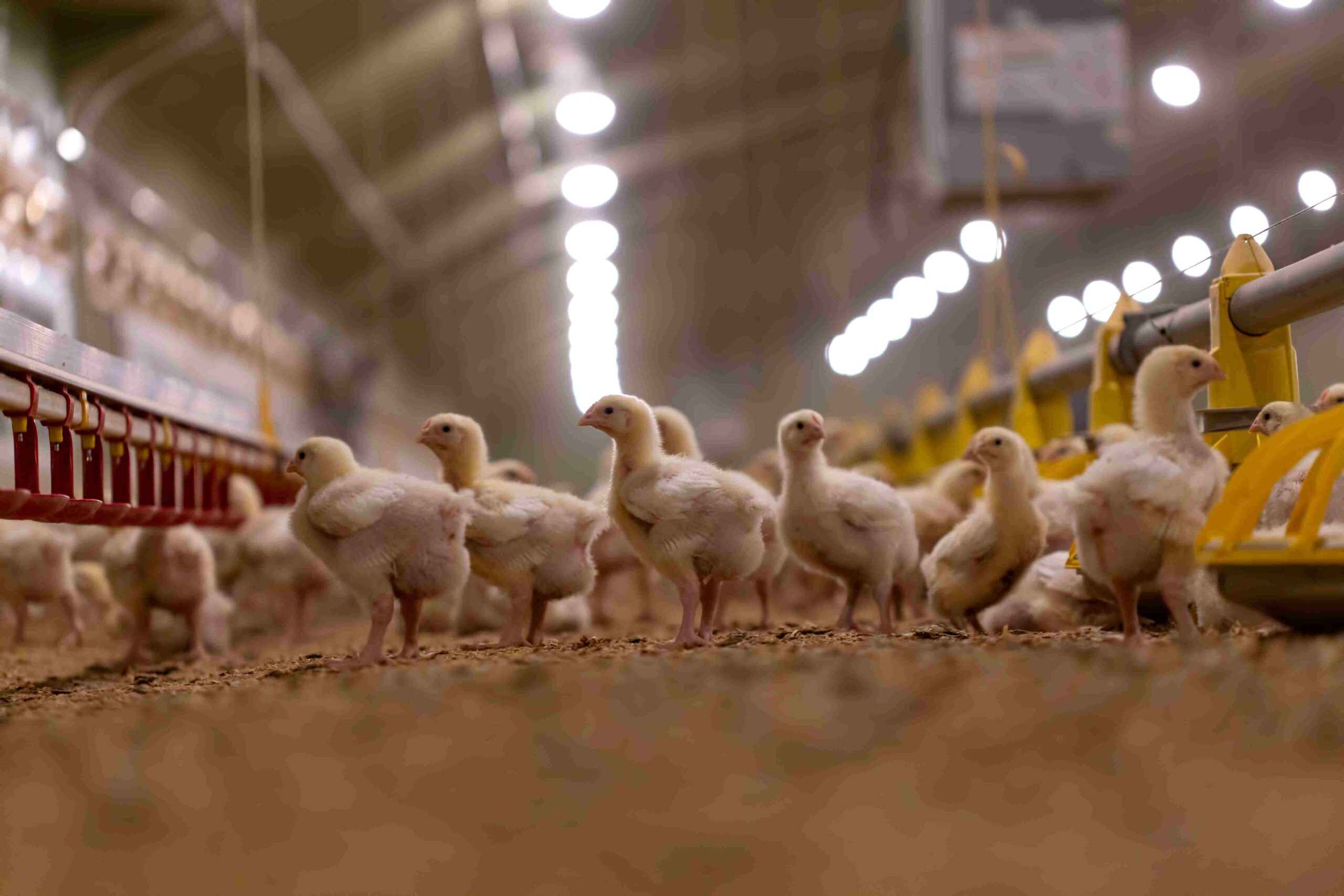
Growing with Care in the Rearing Barn
Over the next several months, birds grow in the rearing barns under carefully managed conditions.
This includes:
• Balanced, age-specific nutrition
• Clean water at all times
• Regular health monitoring
• Controlled lighting programs
• Routine weighing to track growth and uniformity
Around 18 weeks of age (timing may vary by farm), birds are moved from the rearing barn into the laying barn.
Why it matters:
Proper growth prepares birds for successful egg production.
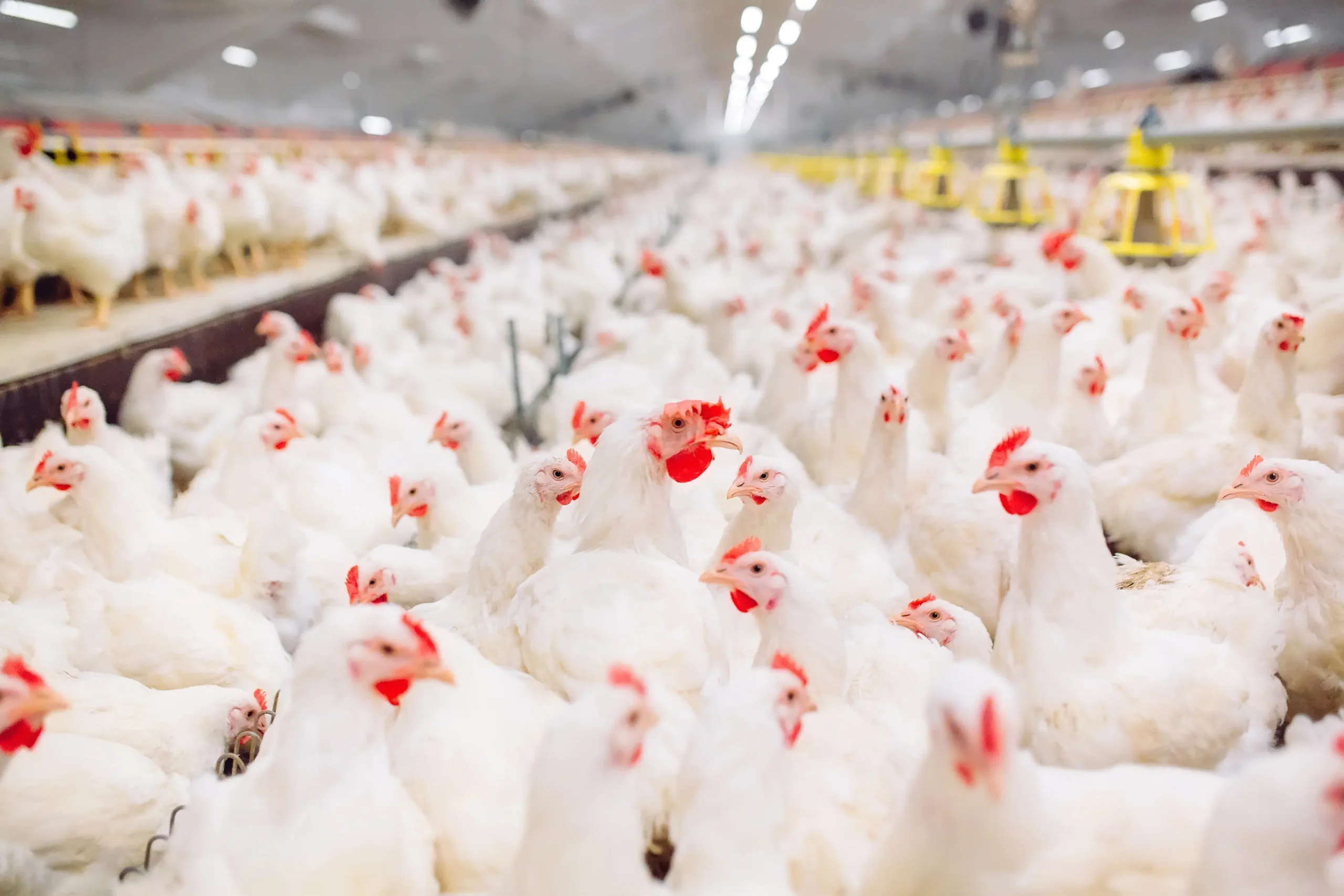
Transition to the Laying Barn
Hens and roosters are carefully transferred into the laying barns, which are designed specifically for egg production. These barns include nest boxes, specialized, separate feeding systems for the males and females, and lighting that supports laying behavior.
Farmers monitor birds closely during this transition to minimize stress and maintain comfort.
Why it matters:
A smooth move supports bird wellbeing and consistent production.
.
Photostimulation
Between 20-22 weeks of age, the amount of light is increased from approximately 10 hours per day to 16 hours per day. This stimulates the birds to complete sexual maturation. Regardless of calendar age, the flock must have sufficient body weight, body composition, and uniformity for successful stimulation, with the goal of ensuring all birds will react the same to the photostimulation cue.
Why it matters:
Birds require the photostimulation light signal to begin producing fertile eggs.
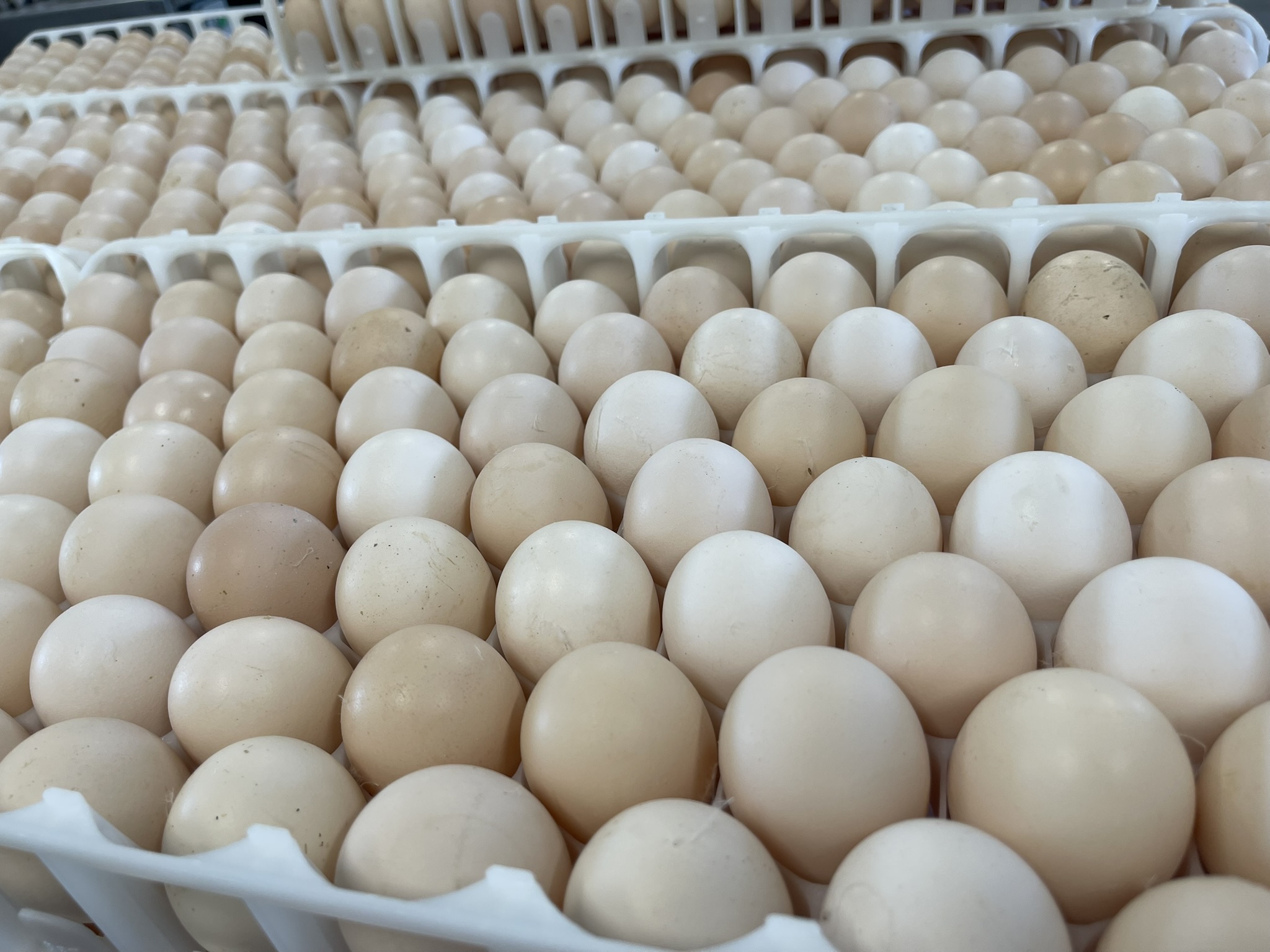
Hens begin laying fertile eggs
Following the photostimulation cue, males and females become sexually active. Hens begin laying fertilized eggs.
Why it matters:
Fertilized eggs are the first step to future healthy chicks!
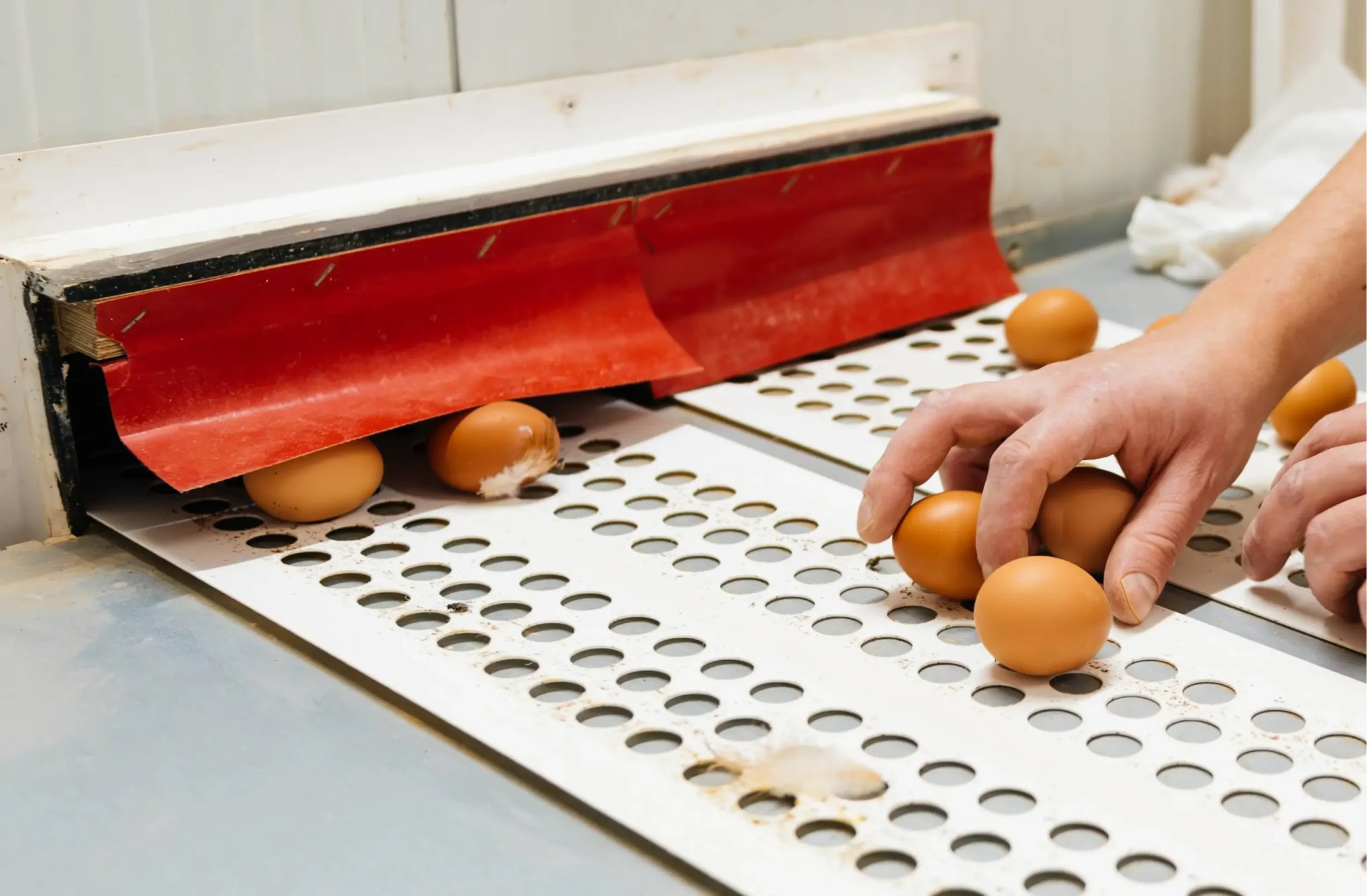
Collecting Hatching Eggs Each Day
In the laying barn, fertilized eggs are collected two to three times every day, either by automated belts or by hand.
Each egg is inspected for quality before storage.
Why it matters:
Frequent collection keeps eggs clean and protects developing embryos.
birds for successful egg production.
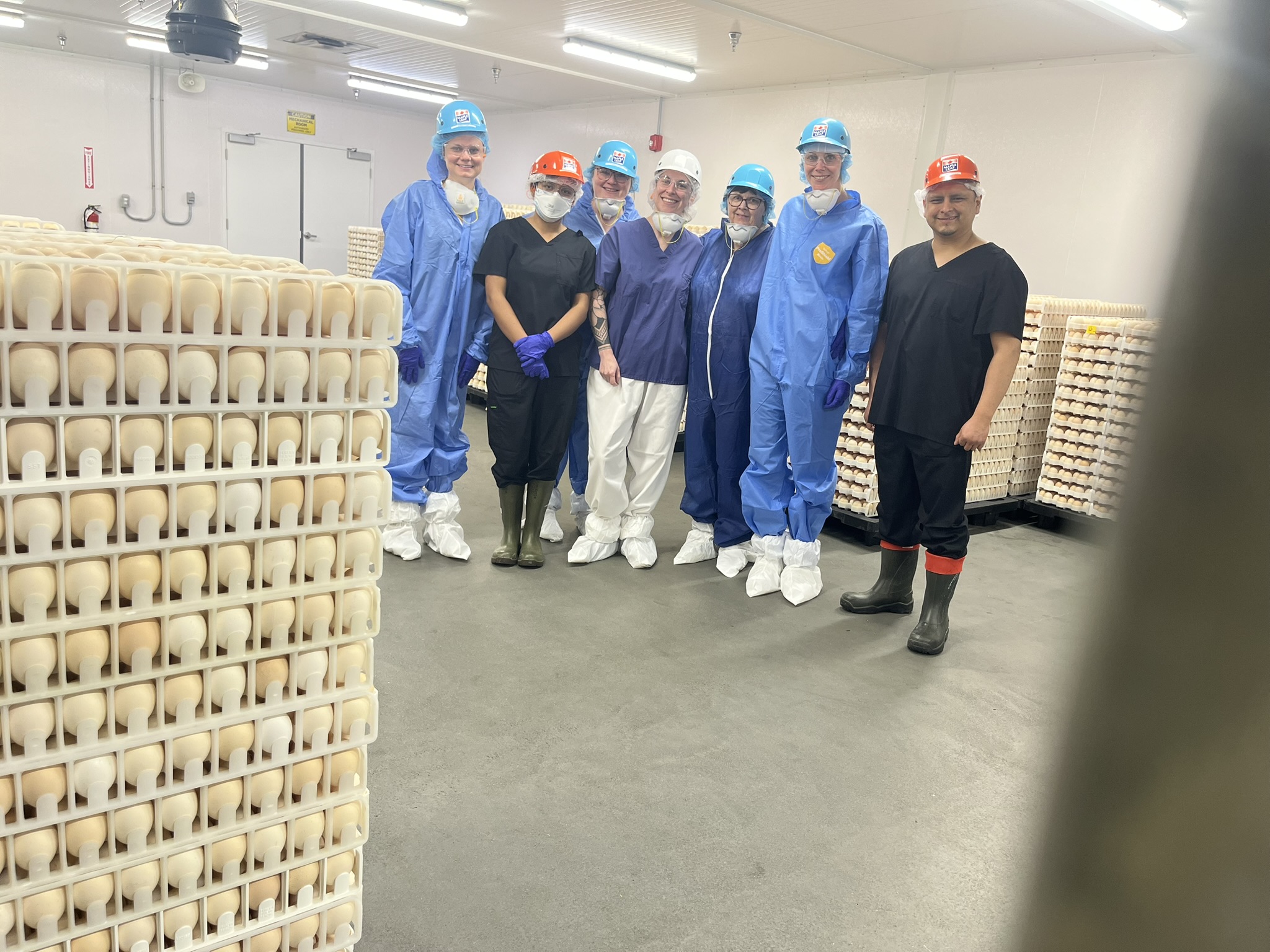
Protecting Eggs in Climate-Controlled Storage
Eggs are placed in specialized storage rooms where:
• Temperature is carefully controlled
• Humidity is monitored
These conditions protect embryo health until transport.
Why it matters:
Proper storage maintains hatchability.
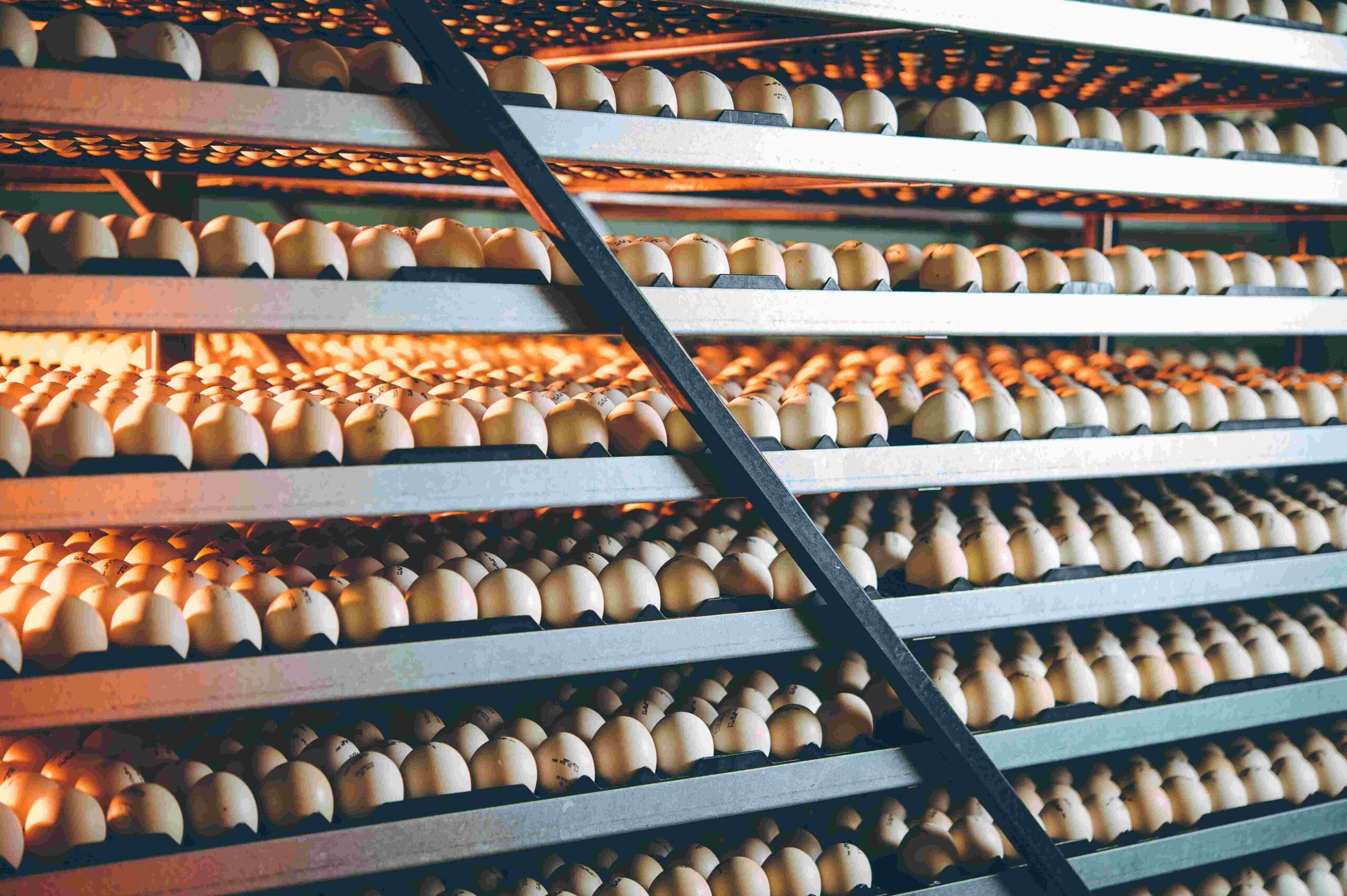
Transporting Eggs to the Hatchery
Within days, eggs are transported in climate-controlled trucks to commercial hatcheries where chicks hatch.
From Hatchery to Alberta Broiler Farms
After hatching, chicks move to Alberta family broiler farms where they are raised until market weight.
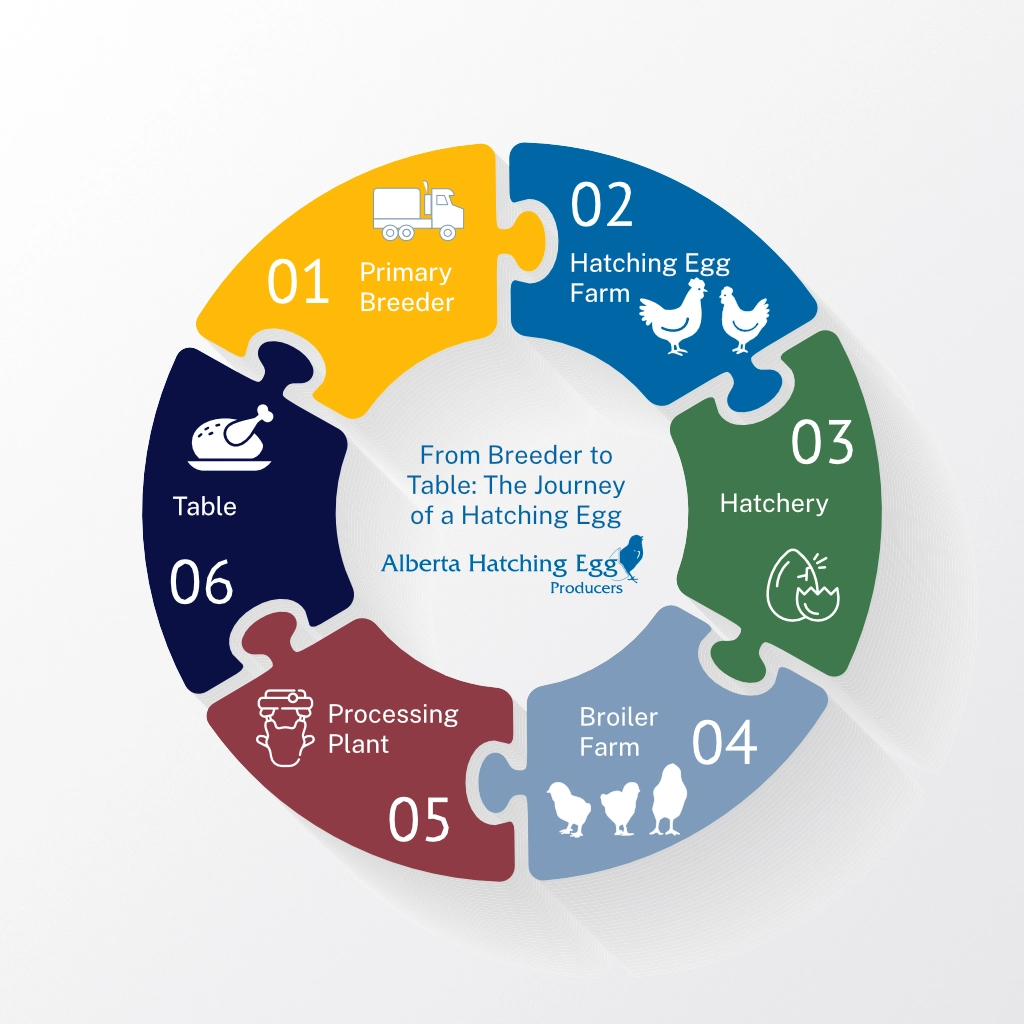
Together, hatching egg farm families, hatcheries, and broiler farm families form a connected food system supplying chicken to Alberta families.